What is MCL Surgery?
MCL Surgery is a procedure to fix the medial collateral ligament in your knee. The MCL helps keep your knee stable. Sometimes, injuries can tear or damage this ligament. When this happens, doctors may suggest MCL Surgery. This surgery is also called medial collateral ligament repair. It helps restore knee strength and movement. Most people need this surgery after a severe injury or when other treatments do not work.
Symptoms and Causes Leading to MCL Surgery
Many people hurt their MCL during sports or accidents. You may feel pain on the inside of your knee. Swelling, bruising, and trouble moving the knee are common signs. Sometimes, you may hear a pop at the time of injury. If your knee feels loose or unstable, it could mean a torn MCL. Often, twisting or a direct blow to the knee causes this injury. Quick stops or changes in direction during sports can also lead to MCL tears.
Diagnosis and When Surgery is Needed
Doctors use several steps to diagnose an MCL injury. First, they ask about your symptoms and how the injury happened. Next, they check your knee for swelling and movement. Sometimes, doctors order X-rays or an MRI to see the damage. Most mild MCL injuries heal with rest and therapy. However, surgery may be needed if:
Doctors will explain your options and help you decide the best treatment.
The MCL Surgery Procedure: What to Expect
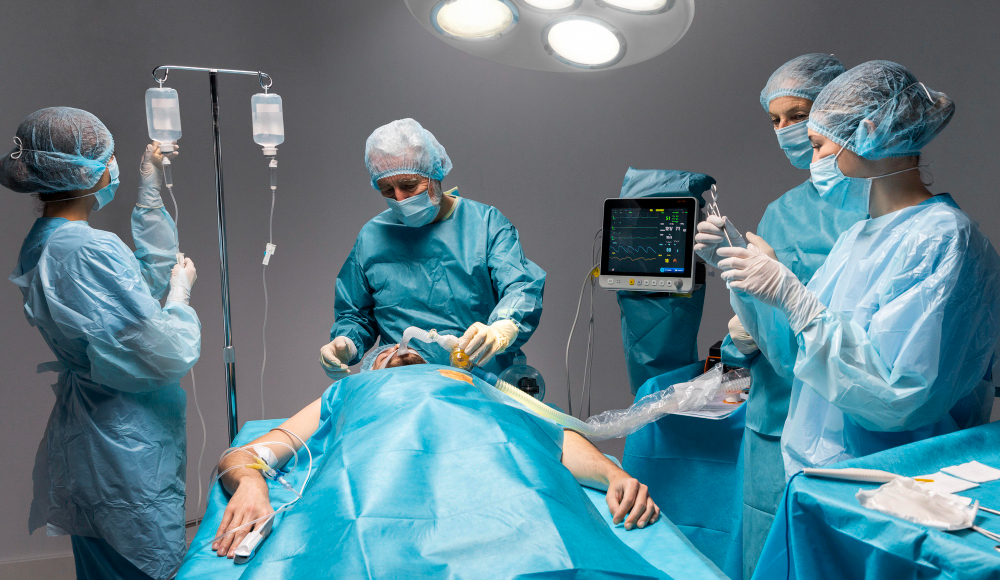
Before surgery, your doctor will explain the steps. You may get medicine to help you relax or sleep. The surgeon makes a small cut near your knee. Then, they find the torn ligament and repair it with stitches or special anchors. Sometimes, they use tissue from another part of your body. The whole procedure usually takes one to two hours. After surgery, you will rest in a recovery area. Nurses will check your knee and help manage pain. Most people go home the same day.
Recovery Timeline and Rehabilitation Tips
Recovery after MCL Surgery takes time. Many people ask, “How long to recover from MCL surgery?” While it varies, most people need three to six months. Here is a general timeline:
To heal well, follow your doctor’s advice. Always attend physical therapy sessions. Eat healthy foods and stay hydrated. If you have questions, ask your care team for help.
Risks, Complications, and Prevention of Re-Injury
Like any surgery, MCL Surgery has some risks. These may include:
However, most people recover without major problems. To lower your risk, follow all post-surgery instructions. Keep your wound clean and dry. Do not rush back to sports or heavy work. Wearing a knee brace and doing regular exercises can help prevent re-injury.
Lifestyle Guidance After MCL Surgery
After MCL Surgery, you can return to many normal activities. However, you may need to make some changes. Here are some tips for a healthy recovery:
With care and patience, most people return to sports and daily life. If you notice new pain, swelling, or trouble moving your knee, contact your doctor right away.
Conclusion
MCL Surgery can help restore knee strength and movement after a serious injury. With the right care, most people recover well from MCL surgery. For the best results, follow your doctor’s advice and attend all therapy sessions.
Consult Dr. Hemanth Nandipati, an orthopedic specialist, for personalized advice on MCL surgery and your recovery plan.