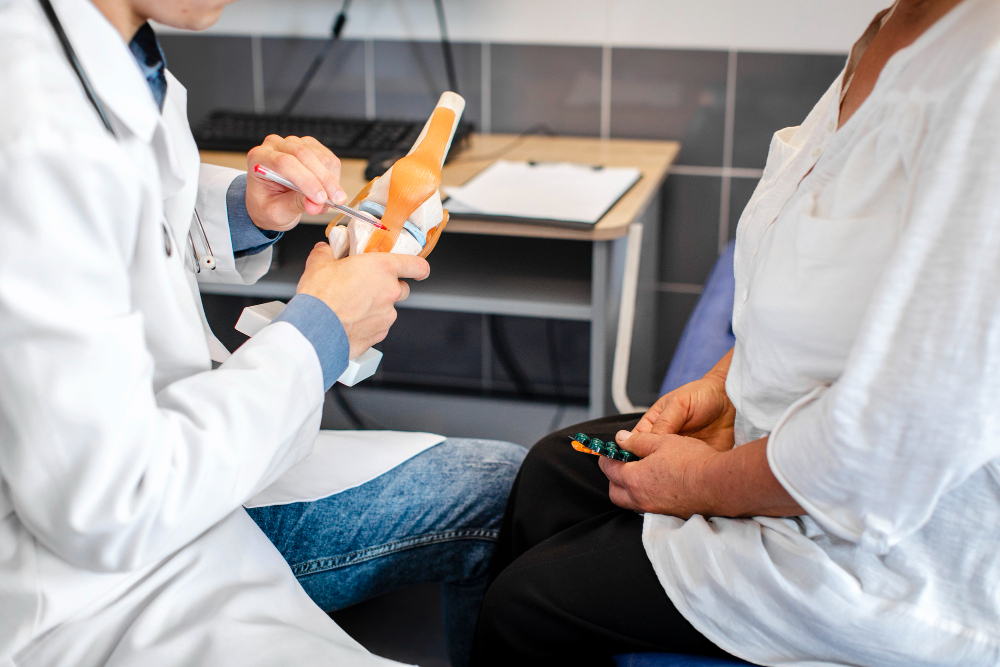
What Is Cartilage and Its Role in Joints?
Cartilage is a smooth, rubbery tissue. It covers the ends of bones in your joints. Because of its texture, cartilage helps bones move smoothly against each other. It also acts as a cushion, absorbing shock during movement. For example, when you walk or run, cartilage protects your joints from wear and tear. Healthy cartilage is important for pain-free movement and joint health.
Common Causes of Cartilage Damage in Joints
Many things can lead to cartilage damage in joints. Sometimes, a sudden injury causes damage. Other times, wear and tear over years can break down cartilage. In addition, certain health conditions may increase your risk. Here are some common causes:
According to the CDC, osteoarthritis is the most common cause of cartilage loss in adults. However, even young people can experience cartilage damage after an injury.
Symptoms of Cartilage Damage
Cartilage damage in joints can cause many symptoms. While some people feel pain right away, others may notice problems over time. Notably, symptoms can depend on the joint and the amount of damage. Common signs include:
If you notice these symptoms, it is important to talk to a healthcare provider. Early care can help prevent further joint pain and damage.
How Cartilage Damage Is Diagnosed
Doctors use several methods to diagnose cartilage damage in joints. First, they will ask about your symptoms and medical history. Next, they may perform a physical exam to check your joint movement. Often, imaging tests help confirm the diagnosis. These tests include:
Sometimes, doctors use a small camera called an arthroscope to look inside the joint. This procedure, called arthroscopy, helps them see cartilage damage more clearly. According to the American Academy of Orthopaedic Surgeons, MRI is often the best tool for detecting cartilage injuries.
Treatment Options for Cartilage Damage
Treatment for cartilage damage in joints depends on the severity and location. In many cases, doctors start with simple methods. However, some people may need advanced treatments for cartilage repair. Common options include:
For those seeking cartilage damage treatment in your area, many clinics offer both non-surgical and surgical options. Newer treatments, like stem cell therapy, are being studied for cartilage repair, but more research is needed. The choice of treatment should be based on your needs and your doctor’s advice.
Lifestyle Tips for Joint Health
Although treatment is important, daily habits can also protect your joints. In fact, small changes can make a big difference. Here are some tips for joint health:
Additionally, avoid repetitive movements that strain your joints. If you have joint pain, rest and seek advice from a healthcare provider.
Preventing Cartilage Damage
Preventing cartilage damage in joints is possible with the right steps. First, protect your joints during sports and daily activities. Always use safety gear when needed. Second, keep your muscles strong to support your joints. Third, avoid sudden increases in exercise intensity. Instead, build up slowly. Finally, treat injuries right away to prevent long-term damage.