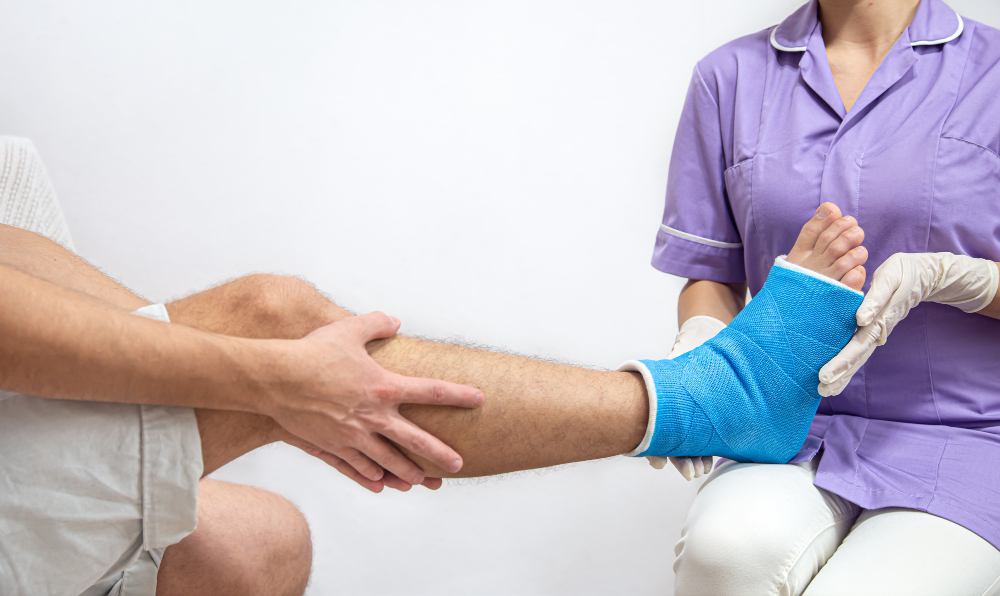
What Are Ligament Injuries?
Ligament injuries happen when the tough bands of tissue that connect bones get stretched or torn. These bands, called ligaments, help keep your joints stable. When you hurt a ligament, it can cause pain and swelling. Often, people call this a sprain. Ligament injuries are common, especially in the knee, ankle, and wrist. Because these injuries can affect movement, it is important to know the signs and how to care for them.
Common Causes of Ligament Injuries
Many things can lead to ligament injuries. For example, sudden twists or falls often cause these injuries. Sports like football, basketball, and soccer put extra stress on joints. As a result, athletes face a higher risk. However, anyone can get a ligament injury during daily activities. Some common causes include:
Because these causes are so common, it is important to stay alert during physical activity.
Typical Symptoms to Watch For
Recognizing the symptoms of ligament injuries early can help you get the right care. Usually, people notice pain right after the injury. Swelling and bruising often follow. In many cases, you may hear or feel a pop at the time of injury. Other symptoms include:
If you notice these symptoms, it is wise to rest the joint and seek advice.
How Ligament Injuries Are Diagnosed
Doctors use several steps to diagnose ligament injuries. First, they ask about how the injury happened. Next, they check the joint for swelling, bruising, and movement. Sometimes, doctors use imaging tests. For example, an X-ray can rule out broken bones. An MRI gives a clear picture of soft tissues, like ligaments. Because early diagnosis helps recovery, do not delay seeing a doctor if you suspect a ligament tear.
Treatment Options for Ligament Injuries
Treatment depends on how severe the injury is. For mild injuries, doctors often suggest rest, ice, compression, and elevation (RICE). Over-the-counter pain medicine can help with discomfort. Physical therapy may help restore strength and movement. However, severe ligament tears may need orthopedic treatment for ligament injuries, such as surgery. Surgery repairs or rebuilds the torn ligament. After surgery, therapy helps you regain normal function. According to the CDC and orthopedic journals, most people recover well with proper care.
Recovery Process and Timeline
Ligament injury recovery time varies. For minor sprains, healing may take a few weeks. Moderate injuries often need several months. After surgery, full recovery can take six months or longer. During recovery, it is important to follow your doctor’s advice. Physical therapy helps restore movement and strength. Because everyone heals at a different pace, your doctor will guide you through each step.
Tips for Prevention and Safe Activity
Preventing ligament injuries is possible with some simple steps. For instance, always warm up before exercise. Stretching keeps your muscles and ligaments flexible. Wearing proper shoes gives your joints support. In addition, follow these tips:
Because prevention is easier than treatment, these habits can help you stay active and safe.
Conclusion
Ligament injuries can happen to anyone, but early care and proper treatment make recovery easier. If you suspect a ligament injury, consult Dr. Hemanth Nandipati for personalized advice and treatment. Your health and mobility matter, so do not wait to seek help.