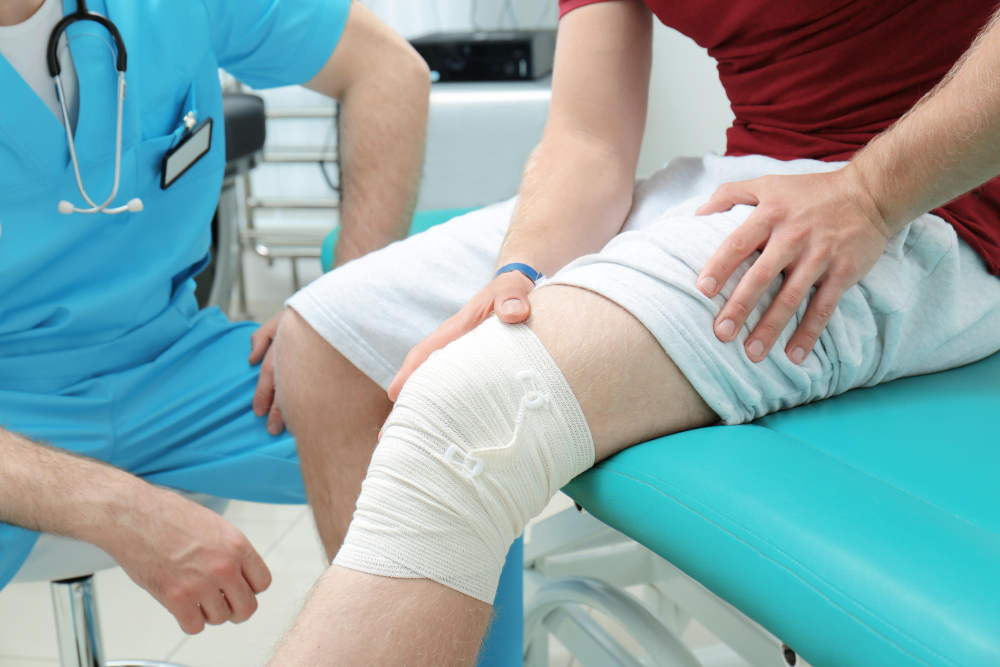
Knee replacement surgery helps many people walk and move with less pain. However, knowing the things to avoid after knee replacement surgery is just as important as the procedure itself. If you follow the right steps, you can heal faster and lower your risk of problems. In this guide, you will learn what not to do, get knee replacement recovery tips, and find out when to call your doctor.
Why Following Post-Surgery Guidelines Matters
After surgery, your new knee needs time to heal. If you avoid certain actions, you can protect your knee and prevent injury. For example, some movements can strain your joint or slow your recovery. In addition, following your doctor’s advice helps you get back to daily life sooner. According to the CDC, proper care after surgery lowers the risk of infection and other problems.
Top Things to Avoid After Knee Replacement Surgery
To help your knee heal well, avoid these common mistakes and habits:
Tips for a Safe and Speedy Recovery
There are many ways to help your knee heal well. First, follow your physical therapy plan every day. Next, eat healthy foods to give your body the nutrients it needs. Also, keep your wound clean and dry. In addition, use ice packs to reduce swelling if your doctor suggests it. Remember to rest, but also move your knee gently as advised. Finally, ask for help at home if you need it. These knee replacement recovery tips can make your journey smoother.
When to Contact Your Doctor
Sometimes, problems can happen after surgery. Contact your doctor right away if you notice:
Early action can prevent serious problems. According to the American Academy of Orthopaedic Surgeons, quick care lowers the risk of long-term issues.
For the best results, always follow your care team’s advice. Consult Dr. Hemanth Nandipati for personalized recovery advice.